
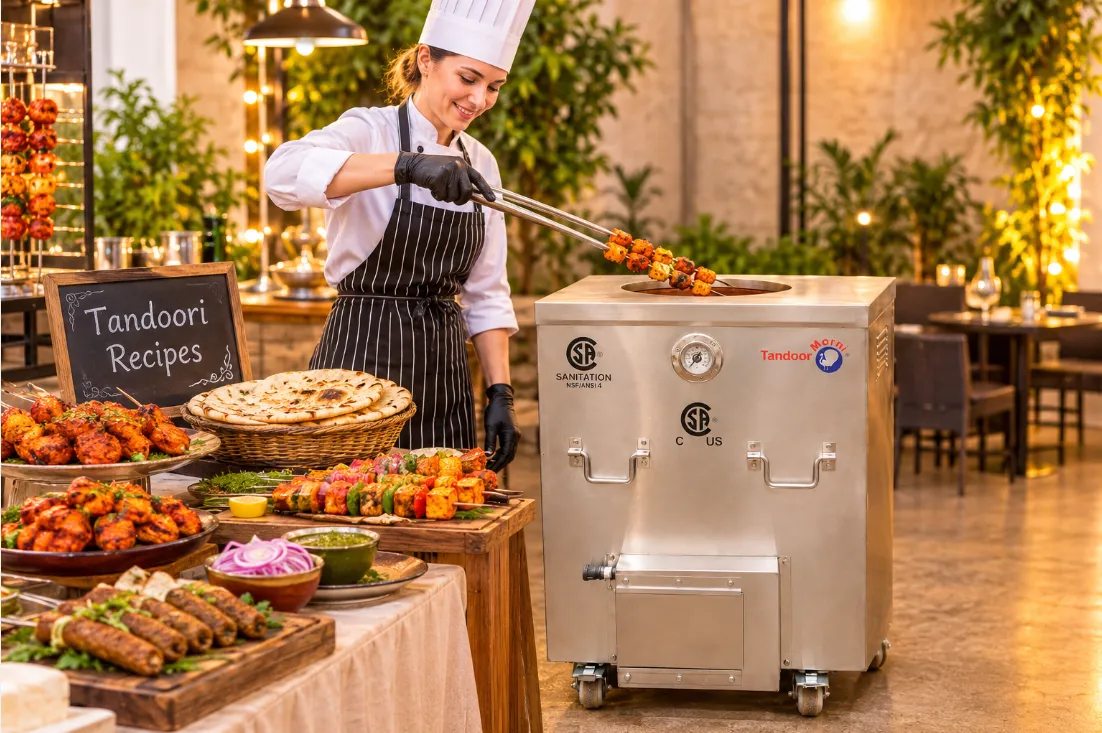
Trying a tandoor for the first time is easier when you begin with familiar ingredients and simple methods. A hot clay oven can make soft breads, smoky vegetables, juicy paneer tikka, and tender meats, but each dish needs a little practice. Start with tandoor recipes that cook quickly and do not require complicated preparation. Keep your ingredients ready, learn how your oven holds heat, and use long-handled tools for safe cooking. These beginner-friendly Tandoor Recipes will help you build confidence while enjoying the rich flavor that makes tandoor cooking special.
Start With Soft And Fluffy Tandoor Breads
Naan is one of the best beginner tandoor recipes because it teaches the basic skill of baking dough against a hot clay wall. Mix flour, yeast, yogurt, salt, and water into a soft dough, then let it rise before shaping. Garlic naan adds minced garlic and chopped coriander for extra flavor. Work with small dough portions and keep the naan gaddi slightly damp so the bread sticks properly during baking. Serve them warm while the center is still soft. A little flour prevents sticking while shaping each piece.
Try Simple Whole Wheat And Spiced Breads
Tandoori roti uses whole wheat flour, water, salt, and a little oil, so the dough is easy to prepare. Let it rest before rolling thin circles and placing them carefully against the heated wall. Masala naan offers another beginner-friendly option. Add a mild mix of cumin, coriander, and chili to the dough, or sprinkle it over the surface before cooking. These breads cook quickly, so watch closely and remove them once they puff and develop small brown spots. A light brush of ghee just before serving adds a pleasant finish.
Make Smoky Paneer Tikka At Home
Paneer tikka is among the easiest savory tandoor recipes because the cubes are easy to handle and cook quickly. Mix thick yogurt with ginger, garlic, turmeric, cumin, garam masala, lemon juice, and a little oil. Coat paneer, onion, and bell pepper pieces, then thread them onto skewers. Leave space between the pieces so heat can reach every side. Roast until the edges turn lightly charred, turning the skewers as needed. Serve with mint chutney and lemon wedges. Avoid overcrowding the skewers, as packed pieces may steam instead of developing a good roasted surface.
Prepare Easy Potato And Cauliflower Starters
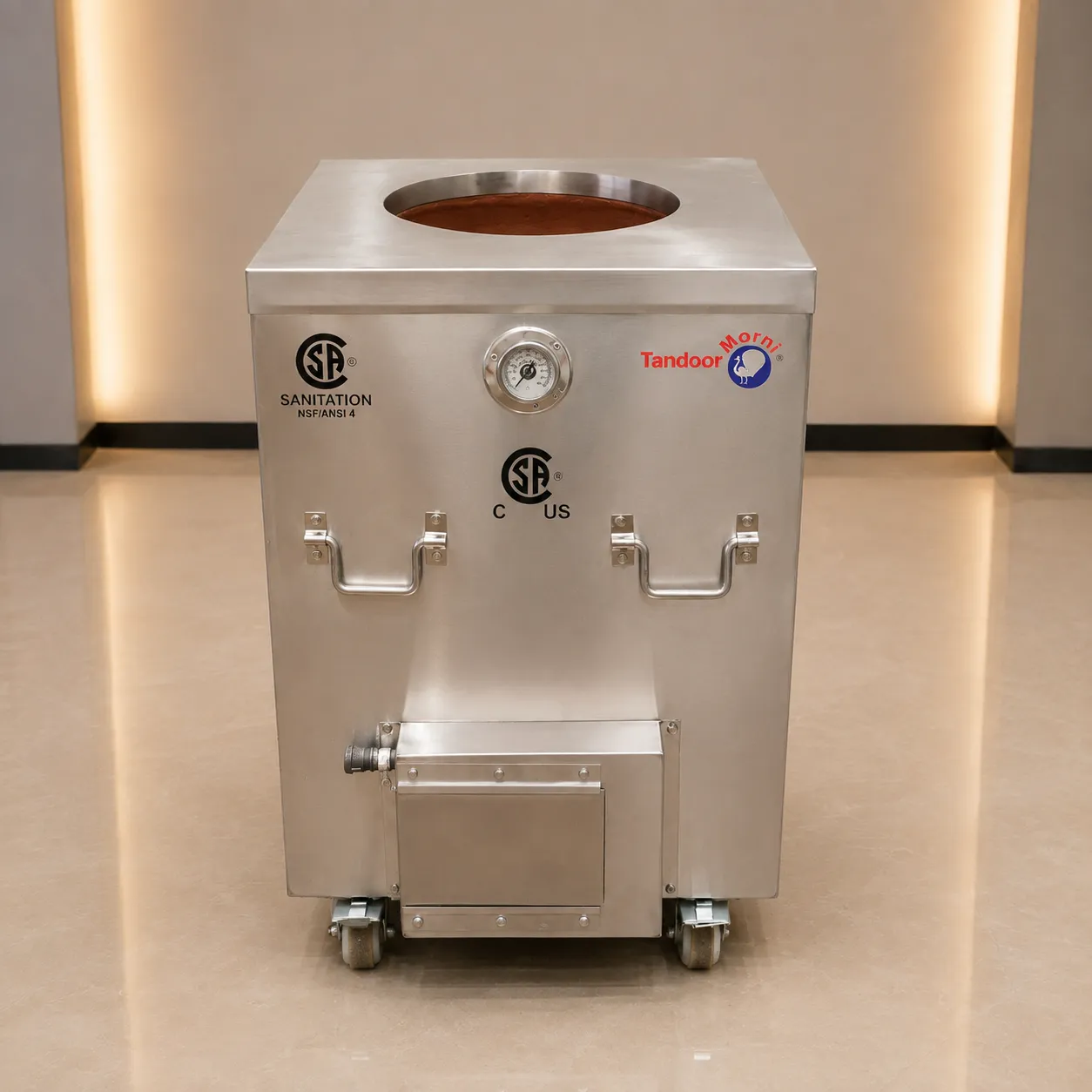
Aloo tikka brings familiar potatoes into the tandoor with very little effort. Parboil small potatoes until just tender, then coat them with yogurt, chili powder, cumin, coriander, and salt. Tandoori cauliflower is another simple vegetable dish. Break a cauliflower into even florets, coat them in a spiced yogurt mixture, and arrange them on skewers or a suitable tray. Cook until the edges are browned and the centers are tender. Both beginner tandoor recipes make tasty starters or sides for a larger meal. A squeeze of lemon brightens their earthy spice. For beginners, home tandoor ovens offer a dedicated outdoor setup for exploring these tandoor recipes, provided fuel and safety instructions are followed.
Cook Juicy Tandoori Chicken Wings Safely
Chicken wings are a good introduction to cooking meat because their smaller size helps them cook faster than large pieces. Pat the wings dry, then coat them in yogurt, lemon juice, ginger, garlic, paprika, cumin, and garam masala. Arrange them with enough space for heat to circulate and turn them during cooking. The skin should look lightly charred, while the meat must reach a safe internal temperature of 165°F. Use a food thermometer rather than judging doneness by color alone. Let the wings rest briefly before serving so the juices settle.
Explore Chicken And Lamb Skewer Classics
Classic tandoori chicken and lamb seekh kebabs help beginners practice two different ways of preparing meat. For tandoori chicken, make shallow cuts and marinate the pieces in yogurt, lemon, garlic, ginger, and spices before roasting. For seekh kebabs, mix minced lamb with onion, herbs, and seasoning, then press it firmly around flat skewers. Keep the meat chilled until cooking and use separate plates for raw and cooked food. Check safe internal temperatures before serving either dish hot with salad and chutney. These tandoor recipes are best attempted after you understand your oven’s heat zones.
Essential Tools Every Beginner Should Have Ready
Before lighting the oven, gather the basic tools. Long metal skewers, a naan gaddi, naan rods and heat-resistant gloves make cooking safer and easier, and many of these items are often sold as an accessory kit with a tandoor. Keep them within reach so you never have to leave the hot oven unattended.
A food thermometer is just as useful, especially for chicken and lamb. Add a small bowl of water, a basting brush and a clean cloth for handling hot tools, and your cooking station is ready for a smooth first session.
Cleanliness is part of good preparation too. Wash skewers and tools after every session, and keep raw meat utensils separate from the ones used for bread and vegetables. A tidy station makes cooking less stressful.
Simple Habits That Help New Tandoor Cooks Improve
Start each session with a clear plan. Cook breads first, while the oven is at its hottest, then move to skewered dishes once the heat settles. This order keeps your timing smooth and helps you learn how the oven behaves.
Prepare meat marinades ahead of time when tandoor recipes allow it, and cut ingredients to similar sizes. Even pieces cook at the same pace and take away much of the guesswork.
Finally, practice beginner tandoor recipes one at a time. Repeating a simple dish a few times teaches you more than trying something new every day, and each session builds the confidence you need for the next recipe on the list.
Keep short notes after each cooking session. Writing down how long a recipe took, how hot the oven felt and what you would change next time creates your own personal guide, and it makes every future batch easier to get right.
Do not rush the early sessions. A calm start, beginner tandoor recipes and careful handling of the hot oven matter far more than speed.
When you feel ready, invite a friend or family member to help. Cooking together makes learning more enjoyable, and an extra pair of hands is useful when you are handling dough, skewers and hot tools at the same time.
Conclusion
The best way to learn tandoor cooking is to begin with simple tandoor recipes and repeat them until the timing feels natural. Start with naan or roti, move on to paneer tikka and vegetables, then try wings, tandoori chicken, and kebabs as your confidence grows. Keep the oven clean, follow its operating instructions, and use heat-resistant gloves and long tools. For more ideas, ingredients, and step-by-step inspiration, explore more tandoor recipes at tandoormorni.com and choose dishes that suit your cooking experience.
